


2026’s Top 10 Sustainable Design Projects
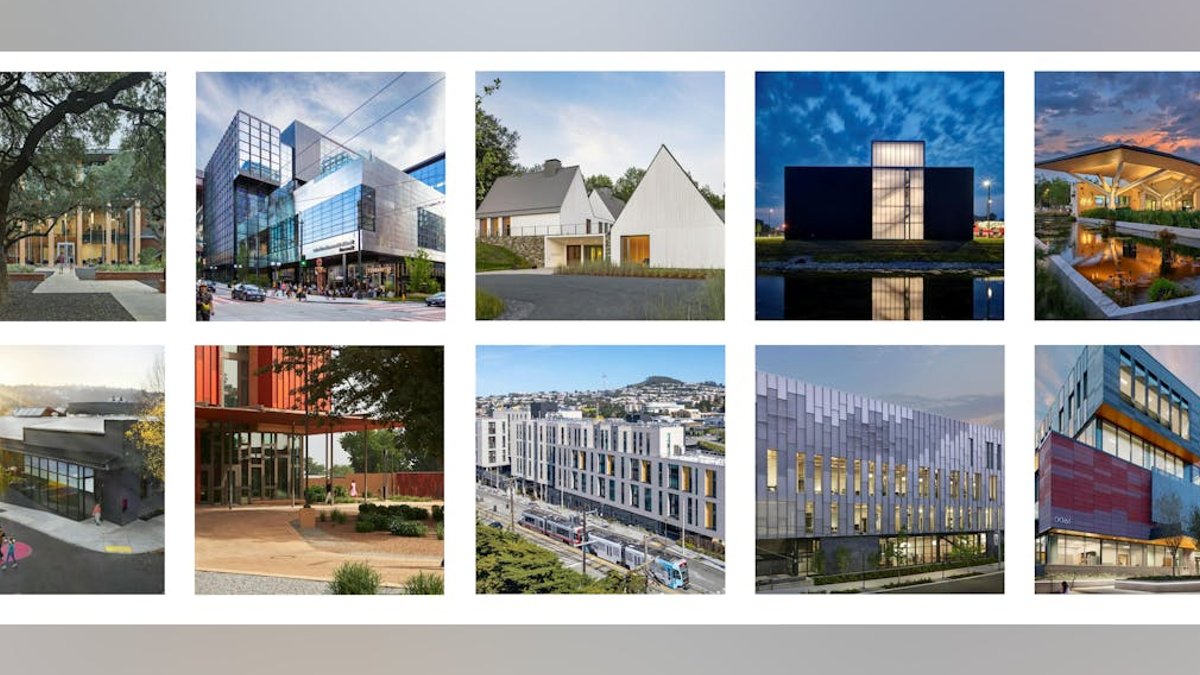
Reich Hall at Marlboro Music showcases sustainability, community, and artistry. Located in Vermont’s Green Mountains, the structure blends with its natural environment through a design inspired by Cape Cod cottages. It includes geothermal heating, passive and active design strategies, and ample natural light, meeting AIA 2030 standards while reducing environmental impact. Designed for musicians, its acoustically advanced rehearsal rooms support creativity, and a climate-controlled library safeguards the world’s largest chamber music collection. Reich Hall embodies Marlboro’s commitment to connection—between nature, music, and people—providing a flexible, inclusive space for collaboration, creativity, and sustainability in a cherished cultural retreat.
The 1.5 million square foot Seattle Convention Center Summit building is the second largest LEED Platinum structure in the U.S. and the largest LEED Platinum convention center. As the world’s first high-rise convention center, its vertical design offers a new model for the typology, focusing on engaging communities at all scales to link people to the urban core. The project redefines convention centers, introduces a shift in the events industry, and integrates seamlessly with adjacent city neighborhoods. It emphasizes sustainability while promoting craft and art by local emerging and established artists.
Related: Low carbon building systems now commercially viable
The Business and Humanities District unites 11 departments within two restored historic mid-century modern buildings and the new mass timber Dicke Hall, forming a dynamic interdisciplinary campus core. Outdated spaces were transformed into light-filled, active learning environments supported by passive design, systems innovation, and rooftop solar. Dicke Hall cuts embodied carbon by 52% and energy use by 90% compared to baseline, capturing 100% of condensate to eliminate potable water use for toilets and setting. The transformation expanded the district’s area by 42% with less than a 1% increase in total campus energy use.
The new U.S. embassy in Niamey, Niger, sits on the existing 10-acre embassy site north of the Niger River, replacing outdated buildings that no longer meet current standards for security, life safety, and efficiency. The design incorporates elements of the Nigerien setting and traditional architecture, using simple materials to mitigate the sub-tropical climate. Careful planning of building engineering systems, setting, stormwater, and wastewater systems reduces the facility’s impact on local utility infrastructure.
Celebrating the existing building’s industrial warehouse character while demonstrating that carbon and economy can coexist, design changes were kept minimal. View windows were added to the concrete wall, allowing occupants to see downtown, and existing roof monitors were reworked to bring in abundant daylight. A new accessible entrance leads to a central gathering space called the Design Lab, where local groups host events to support human connection. Volta Studio functions as an open workshop, offering a welcoming, healthy, and flexible environment for creative exploration and collaboration.
Related: How to Choose the Best Bedside Cabinet for Your Bedroom
Phase 1 of the Marie Selby Botanical Gardens Master Plan transforms a historic site into a regenerative campus aligned with the AIA Framework for Design Excellence. Integrating architecture, ecology, and community, the design achieves Net Positive Energy through a 1.2 MW photovoltaic array and Living Building Challenge performance targets. Rainwater systems protect the Hudson Bayou, and biophilic design immerses visitors in Florida’s native biodiversity. The Living Energy Access Facility, Welcome Center, and Plant Research Center show how cultural settings can advance climate action, resilience, and well-being, creating a space for community engagement and learning.
The Chancery shading screens provide 5% energy savings and reduce daylight penetration to workspaces. The Miller Hull Partnership, LLP (design architect) and Page Southerland Page, Inc. (architect of record) collaborated on the project.
Related: DIY Hacks for Removing Chewing Gum from Carpets
Positioned at the building entry, the Design Lab serves as a generous lobby while supporting staff meetings, client presentations, and community events. Bora Architecture & Interiors designed Volta Studio, which operates as an open workshop where ideas are born, offering a welcoming, healthy, and flexible environment for creative exploration and collaboration.
The 2023 COTE Top Ten Award Jury included Randi Dye, FAIA, AIA, LEED AP; Sarah D. R. Green, FAIA; Michael S. Hooper, FAIA, LEED AP; Lisa Iwata, FAIA, LEED AP; David S. Leach, FAIA, LEED AP; Elizabeth M. Monahan, FAIA; Charles C. Moore, FAIA; Marjorie Townsend, FAIA; Michael J. Wiss, FAIA, LEED AP; and David W. White, FAIA, LEED AP.

Low carbon building systems now commercially viable


